Bicycle Accident Lawyer Support When Liability Is Disputed
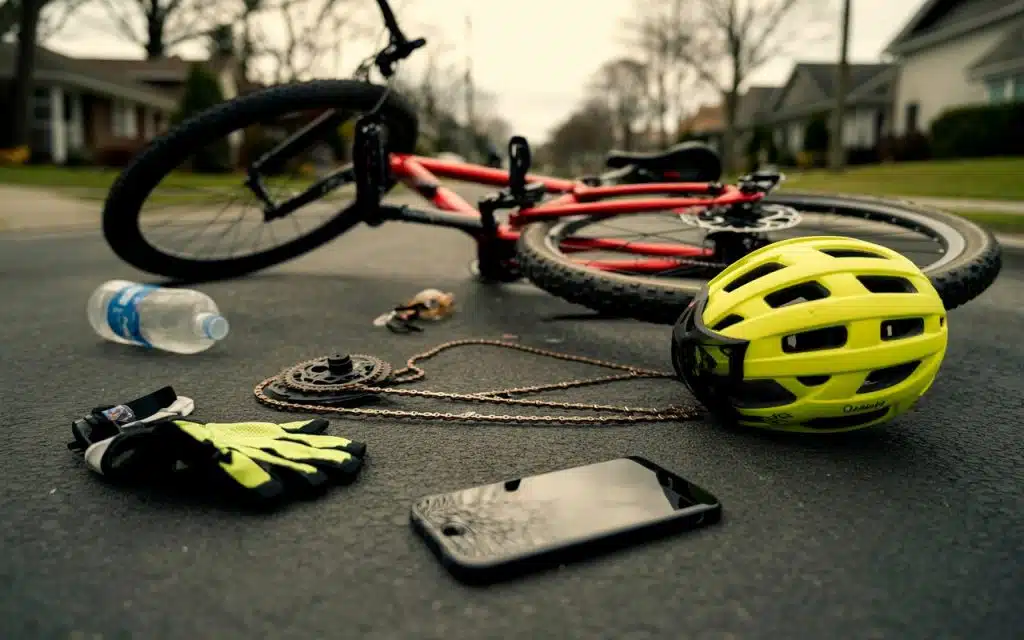

A bicycle crash can go from chaotic to deeply frustrating the moment someone says, “It was your fault.”
That is where many injury claims begin to stall. The rider remembers a driver turning across a bike lane without looking. The driver insists the cyclist came out of nowhere. A property owner points to poor weather. An insurer hints that a rider without reflective gear “assumed the risk.” Suddenly, what seemed obvious at the scene becomes a dispute over seconds, angles, sightlines, and road position.
When liability is contested, the value of a Bicycle Accident Lawyer is not just paperwork or negotiation. It is investigation. It is strategy. It is knowing which details matter, which defenses are predictable, and how to turn a confused fact pattern into a coherent claim supported by evidence.
In contested cases, the legal fight often has less to do with dramatic courtroom moments and more to do with disciplined reconstruction. Skid marks fade. Surveillance footage gets overwritten. Witnesses forget. A lawyer who understands bicycle cases works quickly because disputed liability is usually won early, long before trial is even scheduled.
Why bicycle cases become liability fights so often
Bicycle collisions generate disagreement more often than many people expect. Part of the reason is simple: drivers and insurers still carry assumptions about cyclists. If a rider was in traffic, some people instinctively treat that as unusual or risky, even where it was completely lawful. If the rider was moving quickly, that speed may be overstated. If the driver never saw the cyclist, the defense may recast invisibility as rider fault rather than driver inattention.
The physical dynamics of a bike crash also complicate the story. A cyclist can be thrown several feet from the impact point. The bike may twist, slide, or land somewhere that makes the original path harder to interpret. Damage can be less obvious than in a two car collision, so adjusters sometimes minimize the force involved or question whether the cyclist was struck in the way claimed.
Intersections are especially fertile ground for disputes. Left turns, right hooks, lane changes, driveway exits, and dooring incidents all create scenarios where both sides may claim they had the right of way. Add poor lighting, mixed traffic controls, parked vehicles, or road construction, and the factual picture can get muddy fast.
A seasoned Bicycle Accident Lawyer knows that disputed liability rarely means the claim is weak. It often means the facts need to be developed properly.
What “disputed liability” actually means
In practical terms, disputed liability means one or more parties deny legal responsibility for causing the crash, or argue that the cyclist shares enough blame to reduce or bar recovery under state law. The details vary by jurisdiction. Some states reduce compensation by a rider’s percentage of fault. Others bar recovery if the rider reaches a certain threshold. That legal backdrop matters because insurers use it aggressively during negotiations.
The dispute may center on a narrow issue, such as whether the cyclist entered the intersection on a green light, or on broader allegations, such as riding outside the bike lane, failing to signal, wearing dark clothing, or not using lights at dusk. Sometimes the argument is technical. Sometimes it is little more than an attempt to create uncertainty.
A lawyer’s role is to separate meaningful facts from noise. Not every criticism of a rider matters legally. For example, a defense may highlight that a cyclist was not wearing a helmet. In many places, that has limited or no relevance to whether the driver caused the collision itself, though it can become an argument over injury severity depending on the facts and local law. A Bicycle Accident Lawyer will know how to challenge these detours before they distort the case.
The first days after the crash often shape the entire claim
When fault is unclear, the earliest record of the incident carries unusual weight. Police reports, body camera footage, 911 audio, scene photographs, and ambulance notes often capture impressions before narratives harden. These records are not perfect, but they can reveal timing, spontaneous statements, visible debris, and road conditions that become critical later.
I have seen disputed cases turn on small details recorded in the first hour. A driver tells responding officers, “I looked left and went,” which suggests they never checked the bike lane to the right. A witness mentions that the sun was low and blinding westbound drivers. A paramedic notes fresh gouge marks near the crosswalk line. None of that may sound dramatic on its own. Together, it can rebut a polished insurance defense built weeks later.
For cyclists, the practical lesson is straightforward. Medical care comes first. After that, preserving evidence becomes urgent. Bikes get repaired, clothing gets washed, and apps overwrite ride data. Once that happens, some proof is gone for good.
Evidence that often decides contested bicycle claims
The strongest disputed liability cases are built from layers of proof rather than one perfect piece of evidence. A lawyer usually looks for overlap. If scene photos, damage patterns, GPS logs, and one neutral witness all point in the same direction, the defense has less room to manufacture doubt.
Here are the kinds of evidence that commonly matter most:
- Scene documentation, including road markings, bike lane layout, debris fields, vehicle position, and damage to the bicycle and car.
- Digital records, such as bike computer data, fitness app routes, vehicle event data, dashcam video, and nearby surveillance footage.
- Witness accounts, especially from neutral bystanders who observed lane position, signal changes, or driver behavior before impact.
- Official records, including police reports, 911 calls, body camera footage, and EMS narratives.
- Medical evidence that matches the mechanics of the crash, such as impact injuries consistent with a side strike, dooring event, or over the hood projection.
A Bicycle Accident Lawyer will not treat these items as interchangeable. Each has strengths and limitations. Police reports can be helpful, but officers do not always witness the collision and may misunderstand cycling rules. Video can be powerful, but camera angles flatten distance and speed. App data may show a route and pace, but not traffic signal color. The real skill lies in combining evidence so that the weaknesses of one source are offset by the strengths of another.
Common defense themes, and how they are challenged
Insurers tend to rely on recurring arguments in bike cases. Once you have seen enough of them, the pattern becomes obvious.
One common defense is visibility. The insurer argues the cyclist was hard to see because of clothing, lighting, weather, or obstructions. Sometimes that argument has factual relevance. Sometimes it is exaggerated. If a driver turned across a marked bike lane during daylight, claiming the rider was “invisible” may actually underscore driver inattention. A lawyer may respond with intersection measurements, line of sight photographs, sun position, and timing analysis that shows the rider was visible long enough for a careful driver to yield.
Another frequent claim is sudden movement. The defense says the cyclist swerved, darted, or emerged unexpectedly from between parked cars. This language appears so often that it should always trigger scrutiny. Was there physical space for that alleged movement? Does the damage pattern fit it? Does video support it? In many cases, “darted out” is a shorthand way of blaming the person the driver failed to notice.
Speed is also a favored issue. Cyclists can move faster than drivers expect, especially on downhill sections or in urban corridors with synchronized lights. But expected speed and unreasonable speed are not the same. A Bicycle Accident Lawyer may use app data, crash reconstruction, and traffic engineering principles to show that a rider’s pace was normal for the https://cghinjurylawyers.blogspot.com/ location and still well within a driver’s duty to observe and yield.
Then there is the bike lane argument. Some defenses claim the rider should have been in the bike lane, should not have left it, or was negligent for taking the full lane. These arguments depend heavily on local law and road conditions. Bike lanes may be blocked, poorly maintained, or disappear before intersections. In many states, cyclists are lawfully permitted to leave the edge of the roadway when necessary for safety. A lawyer who regularly handles bicycle claims will understand not just the statute, but how to explain real riding conditions to an adjuster, mediator, or jury.
When more than one party may share fault
Disputed liability is not always just cyclist versus driver. Some of the hardest cases involve multiple responsible parties, each trying to pin blame elsewhere.
A delivery van stops in a bike lane, forcing a rider into mixed traffic, where a passing driver clips the cyclist. A rideshare passenger opens a door into the rider’s path while the vehicle operator has stopped illegally. A road contractor leaves uneven pavement or unclear detour markings that funnel cyclists into a conflict point. A municipality may have notice of a dangerous drainage grate, sight obstruction, or signal malfunction.
In these cases, early investigation is especially important because different parties hold different evidence. The rideshare company may have trip records. The city may have maintenance logs. A nearby business may have security footage that is erased after a week. A commercial vehicle may be subject to company retention policies that do not last long unless a preservation letter is sent promptly.
A capable Bicycle Accident Lawyer looks beyond the obvious defendant. That matters not only for proving fault, but for locating insurance coverage and understanding how comparative fault may be argued among all parties.
Experts can change the trajectory of a difficult case
Not every bicycle accident requires expert testimony, but disputed liability cases often benefit from it. The right expert can explain what laypeople tend to misread.
An accident reconstruction professional may calculate speed, point of impact, braking distance, and visibility. A human factors expert may analyze perception and reaction time, especially when a driver claims the cyclist appeared too suddenly to avoid. A road design expert may address lane geometry, signage, sight obstructions, or unsafe infrastructure. In severe injury cases, biomechanical or medical experts may connect injury patterns to the mechanics of the collision.
Experts are not a magic wand. They add cost, and they must be used carefully. Weak experts can muddy a strong case. Good lawyers do not bring them in just to create theatrics. They use them when a case needs technical explanation that documents and testimony alone cannot provide.
I have seen a disputed right turn case shift after a simple timing analysis showed the driver had more than four seconds to perceive the cyclist in the lane before cutting across. Four seconds can feel short in conversation. In reconstruction terms, it can be a lifetime.
The insurance company’s timeline is not your timeline
When liability is disputed, insurers often try to control the pace. They may delay decisions while gathering statements, then press the injured cyclist for a recorded interview before the rider understands the legal issues. They may frame questions in ways that invite harmful shorthand: “So you were moving pretty fast?” “You weren’t directly in the bike lane, correct?” “You didn’t make eye contact with the driver?”
Those answers can later be stripped of context.
This is one reason people often reach out to a Bicycle Accident Lawyer earlier than they expected. They realize that every communication with the insurer is being used to shape fault, not just damages. A lawyer can handle those exchanges, limit avoidable admissions, and present the facts in a more accurate legal framework.
Delay also affects treatment and finances. Bicycle injuries can be deceptively serious. Wrist fractures, clavicle breaks, knee damage, and concussions are common, and recovery can be uneven. A rider may be able to walk, answer questions, and go home from the emergency room, then struggle with headaches, shoulder instability, or numbness for months. If fault is disputed, the insurer may seize on any gap in treatment as proof of exaggeration. That does not mean every gap is fatal. It does mean the claim needs to be managed with care.
How a lawyer builds leverage before filing suit
Most contested bicycle claims do not start in a courtroom. They start with case assembly. This is where legal support matters most, because leverage comes from preparation, not bluffing.
A strong pre suit approach usually includes obtaining complete records, photographing the bike before repair, locating cameras, interviewing witnesses while memories are fresh, preserving digital ride data, researching applicable traffic rules, and identifying all possible sources of insurance. It may also include scene visits at the same time of day as the crash to evaluate lighting and sightlines.
Demand packages in disputed cases should do more than describe injuries. They should tell the liability story clearly, answer expected defenses, and show why a denial will not hold up under scrutiny. A vague claim invites a low offer. A documented claim, especially one that anticipates counterarguments, changes the negotiation dynamic.
Insurers track risk. When they see a thoroughly prepared file backed by evidence, they assess the cost of resisting it. That is one of the quiet but important functions of a Bicycle Accident Lawyer. The lawyer is not just asking for compensation. The lawyer is demonstrating that the case can be proved.
What cyclists should ask when choosing counsel
Not every personal injury attorney is equally comfortable with bicycle cases. The legal principles may overlap with auto claims, but the factual and cultural issues are different. A lawyer handling a disputed bike collision should understand rider behavior, infrastructure conflicts, visibility arguments, and the biases that often surface in these cases.
A few questions can reveal a lot:
- How often do you handle bicycle accident claims where fault is contested?
- What steps do you take in the first few weeks to preserve evidence?
- Have you worked with reconstruction or road design experts in bike cases?
- How do you address comparative fault arguments against cyclists?
- Who will actually manage the file and speak with me as the case develops?
The answers do not need to sound polished. They need to sound specific. Experience usually reveals itself in detail. Someone who has handled these cases will talk about cameras, bike damage, lane positioning, local traffic rules, and witness timing without prompting.
Settlement value changes when liability changes
People often focus on medical bills and pain when trying to estimate a case. Those matter, of course, but liability can shift value dramatically. A claim with clear fault and moderate injuries may settle faster and for more than a serious injury case with major uncertainty about who caused the crash.
That can feel unfair, especially to riders who are genuinely hurt. But from a legal and insurance standpoint, compensation depends on both damages and the ability to prove fault. If a jurisdiction applies comparative negligence and the cyclist is found 30 percent responsible, the recovery may be reduced by that amount. In some states, crossing a threshold can eliminate recovery altogether.
This is why case presentation matters so much. A Bicycle Accident Lawyer works not only to document losses such as surgery, therapy, lost income, bike replacement, and future care, but also to prevent avoidable erosion of the fault picture. Saving 20 percent on liability can matter as much as adding 20 percent to damages.
Trial readiness often drives fairer settlements
There is a practical truth in injury work that clients do not always hear early enough: cases settle better when the other side believes you will actually try them. That does not mean every dispute should head to trial. It means the case should be built as though trial is possible.
Trial readiness affects witness preparation, exhibit quality, expert retention, and legal research. It also changes bargaining behavior. Insurers can usually tell when a claim was assembled only for negotiation. They can also tell when a lawyer has built a case that will make sense to a jury, including one that may contain jurors who do not ride bikes and start with assumptions.
The best bicycle cases are often the ones that patiently teach. They show where the rider was entitled to be, what the driver should have seen, how the roadway functioned, and why the collision was preventable. When liability is disputed, clarity beats indignation.
The rider’s own habits can help or hurt the claim
Honesty matters here. Not every rider is perfectly equipped, perfectly visible, or perfectly positioned every second of every trip. Real life is messier than traffic manuals. A good lawyer does not need a perfect client. A good lawyer needs the truth early.
If a front light was dead, say so. If earbuds were in, say so. If you rolled a stop sign three blocks earlier, that may not matter, but surprises are dangerous. Most difficult facts can be evaluated and managed. Facts discovered late by the defense are much harder to contain.
At the same time, cyclists should not assume they caused the crash just because a driver or adjuster says so. Many riders are shaken, injured, and eager to be fair. They apologize reflexively. They doubt their own memory. That is human. It is also why evidence and legal analysis matter more than post collision guilt.
What support really looks like when fault is contested
Support in a disputed liability case is not just filing forms or making phone calls. It is the steady work of protecting a rider from being flattened by a misleading narrative.
That support may mean sending preservation letters within days. It may mean visiting the intersection before lane markings are repainted. It may mean finding the one independent witness who saw the driver look at a phone before turning. It may mean hiring a reconstruction expert because the defense insists the cyclist “must have” come from a blind spot that the geometry does not support. It may mean preparing the client for deposition so ordinary answers are not twisted into admissions.
For injured cyclists, the legal system can feel strangely hostile when liability is disputed. The person with the greater vulnerability on the road can suddenly be treated as the presumptive wrongdoer. A strong Bicycle Accident Lawyer counters that by replacing assumption with proof.
When that happens, the case usually becomes what it should have been from the start, a careful examination of who had the duty to watch, yield, signal, slow down, and avoid a preventable collision. And in many disputed cases, once the facts are developed with discipline, the uncertainty starts to fade.
CGH Injury Lawyers
2701 Lawrence St Suite 201
Denver, CO 80205, United States
Phone: +1 720-669-8062
FAQ About Bicycle Accident Lawyer
Who is at fault if a car hits a bicycle?
Fault depends on the evidence and the traffic rules that applied to the collision. A driver, cyclist, or another party may share responsibility. Police reports, witness accounts, video, and the physical evidence can help establish what happened. A collision with a car does not automatically determine legal fault.
Can you sue someone for hitting you on a bike?
You may have a claim when another person's negligent conduct causes your injuries and losses. The available evidence, applicable deadlines, insurance coverage, and any shared fault affect your options. A lawyer can review the circumstances and explain whether an insurance claim or lawsuit is appropriate; compensation is not guaranteed.
What percentage does an injury lawyer usually take?
There is no single percentage that applies to every injury case. Many lawyers use a contingency fee based on a share of the recovery, with the terms stated in a written agreement. Ask how the percentage is calculated, whether it changes during litigation, and how case expenses are handled before signing.